
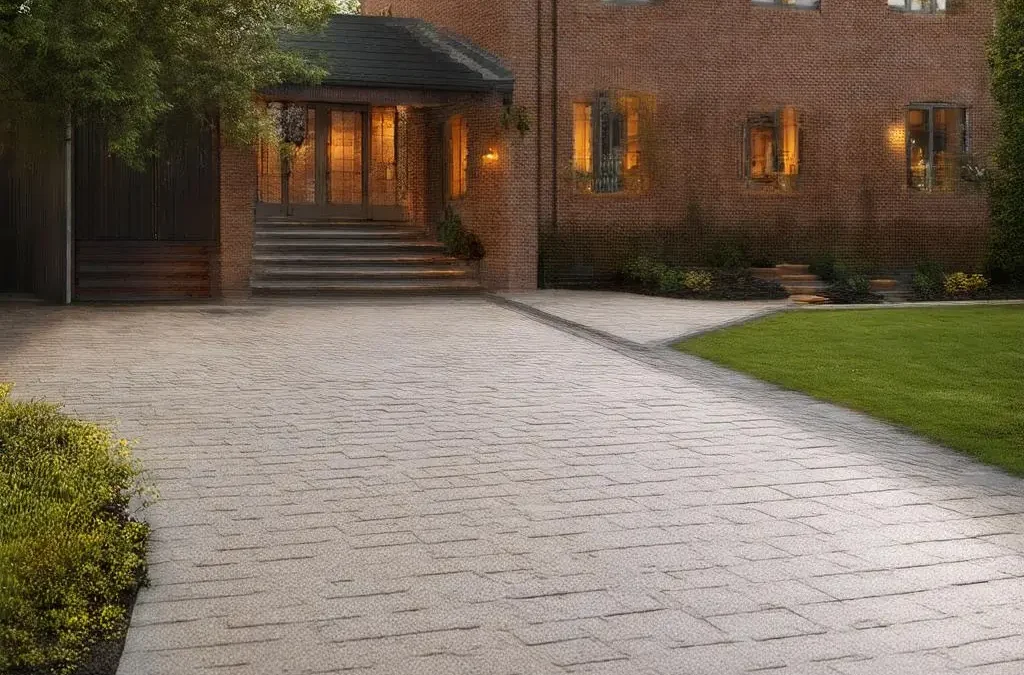
When independent home-and-garden testers evaluate paving and landscaping materials, they apply rigorous, repeatable criteria designed to predict how a surface will look, feel, and perform over many years. Translating those criteria into homeowner-friendly terms helps you choose confidently and avoid costly rework.
-
Durability
- Compressive strength and density (pavers): Higher-strength concrete or clay pavers, and dense granites and porcelains, better resist traffic and point loads. Ask for technical data sheets for concrete blocks (BS EN 1338), flags (BS EN 1339), clay pavers (BS EN 1344), and natural stone slabs/setts (BS EN 1341/1342).
- Frost resistance and water absorption: Materials with low absorption (for porcelain, typically <0.5%) are less prone to freeze–thaw damage. Test standards expose samples to repeated cycles; look for “frost resistant” or “freeze–thaw tested” on UKCA/CE-marked products.
- Stain resistance: Testers measure how oils, tannins, and everyday spills penetrate and clean off. Porcelain and some granites resist staining well; sandstones and concretes often benefit from sealing.
-
Weather performance
- Slip resistance in the wet: In the UK, the Pendulum Test Value (PTV) is the key benchmark; 36+ wet is generally considered low slip risk. External-grade porcelain often carries a suitable PTV or an R-rating (e.g., R11).
- UV stability: Pigmented concretes and some resins can fade; porcelain and natural stone are typically more colour-stable, though some stones mellow attractively over time.
- Freeze–thaw resilience: Beyond material testing, jointing and bedding matter. Voids that trap water accelerate damage; competent build-ups per BS 7533 guidance help prevent failures.
-
Drainage and compliance
- Permeable systems and SuDS: Testers consider how quickly a surface sheds or accepts water. In England, paving over 5 m² of a front garden should be permeable or drain to a SuDS-compliant area to avoid planning permission. Permeable block paving with open-graded sub-bases (Type 3), linear drains to soakaways, or rain gardens are common solutions.
-
Maintenance needs
- Sealing cycles, jointing stability, and weed resistance: Denser stones and porcelain require less sealing; polymeric or resin jointing sands can resist washout and weeds. Modular systems allow easy spot repairs; monolithic surfaces (e.g., poured concrete, tarmac) are patched rather than lifted and replaced unit-by-unit.
- Ease of replacing individual units: Standard-size blocks or slabs simplify future swaps if a utility trench is required.
-
Safety
- Surface grip ratings, even thresholds, and lighting: Seek PTV 36+ wet, keep thresholds flush or with a minimal upstand (ideally ≤15 mm, chamfered), and plan glare-free, IP65+ path lighting and step illumination.
-
Sustainability
- Locally sourced stone reduces transport emissions; recycled aggregates in sub-bases and permeable set-ups support SuDS goals; ask for Environmental Product Declarations (EPDs) where available; ensure timber/decking is FSC-certified if used.
-
Overall value
- Whole-life cost: Combine purchase price, installation, maintenance (cleaning, sealing, replacements), lifespan, and end-of-life recyclability. Include warranties and local aftercare support—both manufacturer and installer.
Stonecraft’s Essex clients typically compare porcelain, sandstone, granite, block paving, and tarmac for driveways and patios. Each can perform exceptionally if specified and installed to the above criteria; the best choice depends on site conditions, expected traffic, and desired maintenance level.
A Practical, Step-by-Step Checklist for Homeowners
Use this process to turn lab-style testing into a confident choice for your driveway, patio, or garden paths.
1) Request physical samples early
- Ask suppliers for at least two samples of each candidate material (surface and edge) large enough to assess texture.
- For porcelain, confirm it is external grade with stated slip rating; for stone, request the specific finish (flamed, textured, tumbled, sawn).
2) Do two simple at-home tests
- Stain test: Apply tea/coffee and a small drop of cooking oil to each sample. Leave 60 minutes, then clean with warm soapy water and a soft brush. Note any lingering marks and the effort required to remove them. Repeat after sealing (if you plan to seal) to compare.
- Scratch test: Using a coin or house key, apply light, then firm pressure on an inconspicuous corner. Examine for visible scoring. This compares resilience; it is not a substitute for formal abrasion tests but helps discriminate finishes.
3) Inspect texture for slip resistance
- Wet the samples and rub with the sole of a shoe. Micro-texture (fine grit) often provides better wet grip than polished or honed stone.
- For patios and steps, specify PTV 36+ wet or external porcelain with R11 classification; verify the value on the product’s technical sheet.
4) Check ratings and certifications
- Look for UKCA/CE marking and compliance to relevant BS EN standards (concrete blocks: EN 1338; flags: EN 1339; clay pavers: EN 1344; natural stone slabs/setts: EN 1341/1342).
- Confirm frost resistance, water absorption, and, for porcelain, that it is rated for exterior use.
- For sustainability, request origin information (quarry and country), recycled content in aggregates, and any EPD.
5) Plan drainage before choosing surfaces
- Decide whether the project will be permeable (infiltration through joints/structure) or impermeable with managed collection (falls to linear drains, soakaway, or rain garden).
- Establish falls of approximately 1:60 to 1:80 away from buildings. On clay-heavy Essex soils, infiltration may be slow; your installer may propose a permeable build-up with attenuation or a soakaway sized to BRE 365 testing.
6) Compare installation quotes like-for-like
- Insist on itemised quotes that specify:
- Excavation depth and waste removal (and licensed disposal).
- Sub-base type and thickness (e.g., 150–250 mm Type 1 for driveways; Type 3 for permeable).
- Bedding layer (sharp sand, permeable bedding, or mortar), jointing type, and edge restraints.
- Drainage components and locations.
- Sealing (if included), reinstatement of thresholds/lawns, and finishing details.
- Timescales, access arrangements, and protection during curing.
- For new driveways, expect typical Essex pricing to fall in the region of £40–£100 per m² depending on material and ground conditions.
7) Verify guarantees and insurance
- Ask for written workmanship guarantees (for example, a 5-year installer guarantee) and copies of public liability insurance.
- Confirm manufacturer warranties for the chosen materials and any jointing/sealer products.
8) Review your contractor’s recent projects
- Request at least two addresses you can visit—ideally one completed within 3 months and another 12+ months old. Observe drainage after rain, joint stability, and any colour changes.
- Check independent reviews (e.g., TrustATrader) and membership in trade bodies (e.g., the Guild of Master Craftsmen) for added assurance.
9) Finalise a maintenance plan before work starts
- Agree on cleaning, sealing, and re-sanding schedules, and understand which chemicals to avoid with your chosen surface. Build this into the handover pack.
UK and Essex Conditions: Specify for Rain, Algae, and Seasons
Essex experiences fewer annual rainy days than some regions, yet heavier downpours and cool, damp spells are common—especially on clay subsoils that drain slowly. Designing for these realities pays dividends.
-
Rain management and SuDS
- Front gardens over 5 m²: Choose permeable paving or direct runoff to a SuDS feature to avoid planning permission. Options include permeable blocks on Type 3 sub-base, linear channels feeding a soakaway, or a planted rain garden.
- Clay soils: If infiltration is poor, an attenuation layer under permeable paving or a soakaway sized to site testing helps. Avoid discharging onto the highway.
- Falls and thresholds: Maintain 150 mm minimum threshold upstand to damp-proof course where feasible, with paved surfaces falling away from the property. Use drainage channels at garage or patio doors to manage level transitions.
-
Algae and lichen control
- Material choice: In shady, north-facing, or tree-lined areas, prefer textured porcelain, flamed granite, or textured concrete blocks. Avoid polished/honed finishes outdoors.
- Routine: Sweep debris weekly in autumn, treat algae with a patio biocide as needed (choose pet- and plant-safe products), and rinse. Avoid aggressive pressure-washing that can dislodge jointing.
- Jointing: Use polymeric sands or high-quality jointing compounds to reduce weed ingress; note that most “weeds” originate from windblown seeds settling in surface detritus—regular sweeping is the best defence.
-
Freeze–thaw and winter care
- Select frost-resistant materials and permeable or well-drained build-ups to prevent standing water.
- Use clean grit or sharp sand for slip control in icy spells; repeated use of de-icing salts can damage some concretes and stones and accelerate metal staining.
-
UV and summer performance
- Expect some mellowing on natural stone; porcelain and many granites remain stable. Choose UV-stable jointing and sealers.
-
Seasonal cleaning schedule (Essex-friendly)
- Spring: Low-pressure rinse, light detergent clean, re-sand block paving joints where needed, and spot-seal high-traffic/porous areas.
- Summer: Monthly sweep; inspect for movement or settlement after any heat/drought cracks in clay soils.
- Autumn: Frequent leaf clearance to limit tannin stains and slipperiness; check and clear channel drains and gullies.
- Winter: Algae treatment on shaded paths, grit for traction, and post-storm inspections of permeable surfaces to ensure no silt clogging.
Turning Choices into a Long-Lasting Installation
Bringing test criteria and site realities together helps you align materials with function and budget.
-
- Block paving (concrete or clay): Strong, modular, easily repairable, broad colour/texture range, and available in permeable formats. Specify to BS 7533 laying guidance; consider darker colours for stain camouflage; polymeric jointing for stability.
- Granite setts: Extremely durable and premium look; more labour-intensive; excellent for high-wear areas and accent bands.
- Tarmac: Cost-effective and quick to install; consider decorative edging for definition; plan for periodic resurfacing in whole-life cost comparisons.
- Drainage: Prioritise permeable build-ups or well-designed channels/soakaways; keep falls away from the property.
-
Patios and garden terraces
- External porcelain: Very low absorption, high stain resistance, consistent appearance, and excellent slip-rated finishes (seek PTV 36+ wet or R11). Requires appropriate cutting, bedding, and falls.
- Natural stone (sandstone, limestone, granite): Timeless aesthetics; match finish to use—flamed/ textured granite for grip; select denser stones or plan sealing for porous varieties.
- Detailing: Keep step risers consistent, add nosing contrast on treads, integrate IP65+ lighting, and coordinate drainage grates with paving colour.
-
Paths and landscaping features
- Choose smaller formats or textured finishes for grip, especially on gradients; ensure paths are at least 900 mm wide for comfortable access.
- Incorporate edging restraints to preserve line and prevent migration of gravel or blocks.
-
Sustainability and value
- Source stone as locally as practical; use recycled sub-base aggregates and permeable designs to limit runoff.
- Evaluate whole-life cost: a slightly higher upfront cost for porcelain or granite may be offset by lower maintenance and longer lifespan.
- Warranties and aftercare: Written workmanship guarantees and responsive local aftercare add real value. Ask who will service any issues within the guarantee period.
If you prefer a professionally guided route, work with an experienced, fully insured Essex installer accustomed to BS 7533-compliant build-ups, SuDS-friendly drainage, and climate-aware detailing. A family-run firm such as Stonecraft—established in 1988, members of the Guild of Master Craftsmen and TrustATrader—can provide free, no-obligation advice and quotes, a 5-year guarantee on workmanship, and a portfolio of recent local projects. Whether you choose block paving, sandstone, porcelain, granite, or tarmac, applying the above testing criteria and checklist will help ensure your driveway, patio, and garden improvements look outstanding and perform safely for years to come.