
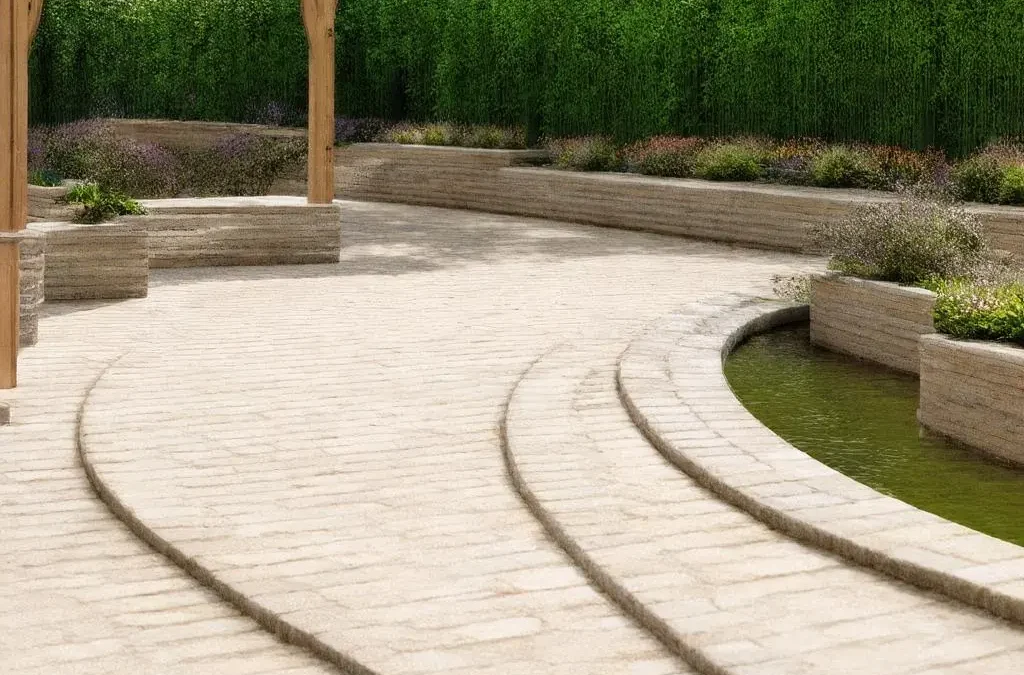
Across Essex and beyond, landscapes are no longer a backdrop to learning; they are an integral part of modern educational design. Whether you are a homeowner planning a thoughtful study garden for your family or a school governor seeking to revitalise outdoor areas, the principles are the same: innovative landscaping can transform outdoor spaces into adaptable, sustainable environments that promote curiosity, concentration and collective discovery.
At its best, an outdoor learning space offers variety. It provides calm corners for reading and reflection, practical areas for hands-on projects, open zones for group work, and sensory routes that invite exploration. The most effective schemes balance robust, low-maintenance materials with natural elements—trees, native planting, water, and wildlife habitats—so that learners interact comfortably with nature in all seasons.
For homeowners in Essex, this approach can be applied at multiple scales, from a small courtyard that doubles as a homework hub to a larger family garden organised into zones that evolve as children grow. For schools, it can inform the design of courtyards, quadrangles and perimeter grounds, helping to create a campus that teaches as much outside as it does in classrooms.
Balancing Technology with Nature to Boost Well-being and Performance
Technology plays a vital role in contemporary education, yet its impact is strongest when it complements, rather than replaces, direct contact with the natural environment. Outdoor learning spaces should enable digital access without turning into sterile extensions of indoor classrooms.
Key considerations for achieving the right balance include:
- Discreet infrastructure: Provide safe, weather-protected power points, charging stations and reliable Wi-Fi coverage without visual clutter. Conceal cabling within raised planters, seating plinths, or along fencing to preserve a natural aesthetic.
- Material comfort: Choose paving and seating materials that regulate heat and minimise glare—porcelain and sandstone in lighter tones stay comfortable in summer, while timber or composite decking with anti-slip finishes supports year-round use.
- Sensory richness: Integrate planting that engages sight, sound and scent—ornamental grasses that rustle, pollinator-friendly perennials, herbs and textured foliage. These features reduce stress, improve attention restoration and offer tactile learning opportunities.
- Deliberate screen breaks: Designate shaded, device-free areas—under pergolas, beside water features, or within small copse-like planting—where learners can reset. Balance these with collaborative tables that accommodate laptops and tablets for project work.
- Acoustic design: Use hedging, timber screens, and water features to dampen ambient noise, creating calmer microclimates that support focus and make outdoor instruction more intelligible.
This blended approach helps to enhance concentration, memory and mood, supporting both formal lessons and self-directed exploration. It also aligns with wider sustainability goals: when outdoor spaces are comfortable and inviting, they are used more often, increasing the value of the investment and the daily contact students have with nature.
Designing Versatile, Sustainable Spaces that Invite Collaboration and Discovery
Versatility is the hallmark of a successful learning landscape. The following design strategies create multifunctional zones that evolve with curriculum needs and family life while embedding sustainability from the outset.
- Zoning through surface design: Block paving patterns can delineate activity areas and double as learning prompts—number grids, compass points, timelines or world maps in contrasting pavers. Permeable systems assist drainage and reduce surface water run-off, protecting adjacent buildings and lawns.
- Flexible seating and social geometry: Curved seating walls in brick or granite setts, movable benches, and low timber platforms can be combined to support circle discussions, performances or quiet reading. Amphitheatre steps built into subtle level changes optimise space and accessibility.
- Outdoor laboratories and maker spaces: Hardwearing porcelain patios with integrated storage and water access enable science experiments, art projects and design challenges. Raised planters at varied heights accommodate horticulture and accessible gardening, including for wheelchair users.
- Sensory and discovery trails: Gravel crunch paths, timber sleepers, stepping stones, and tactile edging guide movement and create mini-adventures. Incorporate log piles, bug hotels, bird boxes and small ponds (with appropriate safety measures) to encourage biodiversity and observational learning.
- Shade, shelter and seasonal use: Pergolas, sail shades and green canopies from small trees provide comfort in summer. Garden rooms extend usage into colder months, functioning as quiet study pods, small-group teaching spaces, or music practice rooms with acoustic treatment.
- Water wise and climate responsive: Rain gardens and swales capture roof and surface water, feeding drought-tolerant planting while easing pressure on drainage systems. Select resilient species suited to Essex’s climate, and consider automated irrigation for high-use areas to reduce maintenance overheads.
- Surface durability and maintenance: In high-traffic zones, consider porcelain or high-grade sandstone for stain resistance and easy cleaning. Artificial lawns offer consistent play surfaces where natural turf struggles, balanced with real planting to preserve ecological value and seasonal change.
- Safety and accessibility at the core: Prioritise slip-resistant surfaces, gentle gradients, clear wayfinding, and textured tactiles for cane users. Ensure good lighting and secure boundaries through fencing and well-placed hedging, maintaining visibility for supervision without compromising a sense of retreat.
By orchestrating these elements, outdoor spaces become active participants in learning—stimulating creativity through variety, supporting collaboration through adaptable layouts, and nurturing a sense of discovery through contact with living systems.
Practical Pathways for Essex Homes and Schools
Translating vision into a workable, long-lasting scheme requires careful detailing and experienced installation. The following practical considerations help ensure value and longevity.
- Site appraisal and planning: Start with a professional survey to understand levels, drainage, soil condition and access routes. Identify sunny and shaded zones to place seating, planting and devices appropriately. For homeowners, align study spaces with natural light and proximity to the house. For schools, plan clear circulation from classrooms to outdoor areas to minimise disruption.
- Materials selection and specification: Match surfaces to use patterns. Block paving offers robust, reconfigurable foundations for high-use courtyards and can embed visual learning cues. Porcelain suits precision patios and spill-prone maker zones. Natural stone and timber create warmth and visual continuity with planting. Where vehicle access is needed (e.g., shared drives serving school entrances), choose load-rated sub-bases and edges.
- Edge details and thresholds: Flush thresholds, ramped transitions and well-defined edges prevent trip hazards and allow trolleys, wheelchairs and prams to move freely. In family gardens, consider integrated storage and low retaining walls that double as seating.
- Planting for structure and rhythm: Combine evergreen structure with seasonal colour for year-round interest. Use native hedges for wildlife corridors and screening, with perennials and bulbs adding layered learning opportunities. In compact gardens, vertical trellises and espaliered fruit trees maximise productivity and privacy.
- Stewardship and upkeep: Aim for simple, repeatable maintenance routines—mulching, timed irrigation and durable jointing to reduce weed ingress. For schools, schedule term-time checks for seating fixings, surface condition and shade sail tensioning. For homes, plan quick weekly tasks students can own, encouraging responsibility and outdoor time.
With over 35 years of experience in block paving, hard landscaping and garden renovations across Essex, a specialist contractor can help you navigate these choices—from concept to completion. Dedicated, experienced teams familiar with educational and family settings understand the need for safe, resilient detailing, clear phasing around busy schedules, and finishes that remain attractive under heavy use. Membership in professional bodies and appropriate insurances add reassurance, while robust workmanship guarantees protect your investment.
For homeowners, the result is a garden that supports homework, hobbies and health—a space where children and adults alike can read, experiment, practise and unwind. For schools and nurseries, it is a campus that teaches in every direction, where outdoor areas are timetabled as confidently as classrooms and where technology and nature cooperate to lift student well-being and performance.
Bringing It All Together
Innovative landscaping turns outdoor space into an educational asset—one that fosters creativity through variety, collaboration through thoughtful layouts, and discovery through daily contact with living systems. By integrating natural elements with discreet technology, specifying durable, low-maintenance materials, and prioritising accessibility and sustainability, Essex homes and schools can create environments that inspire learning in every season.
Whether you are envisioning a modest study patio with shaded seating, a sensory trail and wildlife zone for early years, or a fully equipped outdoor classroom with a garden room for all-weather use, a well-crafted landscape provides the framework. With professional planning and quality installation, these spaces become reliable, welcoming and adaptable—places where curiosity thrives and learning feels genuinely alive.