
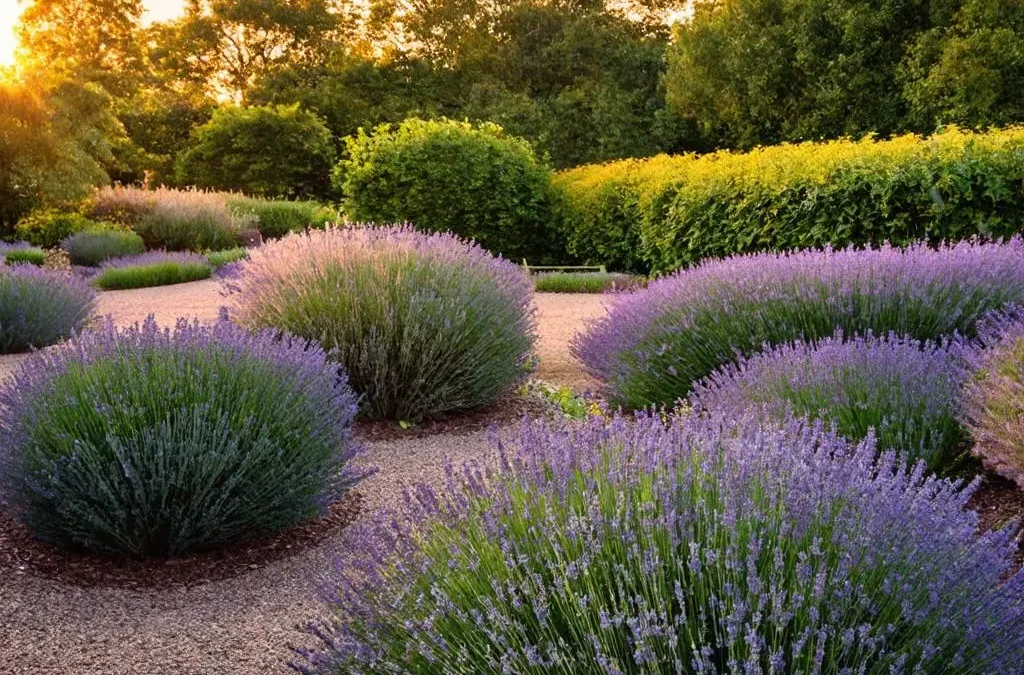
Lavender is a beloved plant for its enchanting fragrance, vibrant flowers, and versatility in gardens. To keep your lavender healthy and blooming beautifully, pruning is essential. Proper pruning promotes healthy growth and extends the life of your plants. In this blog post, we’ll explore when and how to prune lavender, the differences between types, and provide tips for maintaining vibrant plants year-round.
Understanding Lavender Varieties
Lavender varieties have distinct growth habits, which influence pruning practices. The most common types include English Lavender (Lavandula angustifolia), French Lavender (Lavandula dentata), and Spanish Lavender (Lavandula stoechas).
-
English Lavender is hardy and can handle the most pruning. It’s best suited for colder climates and offers a classic lavender scent.
-
French Lavender is more delicate and doesn’t tolerate as much pruning. It’s great for warmer climates and often features serrated leaves.
-
Spanish Lavender is known for its unique, tufted floral spikes and requires gentle care, preferring milder conditions.
Familiarizing yourself with the characteristics of your lavender will help you determine the appropriate pruning techniques.
Late Summer and Early Autumn Pruning
The ideal time to prune lavender is during late summer or early autumn, after the flowers have faded but before frost arrives. This timing ensures that the plant can recover before winter and encourages robust growth in the spring.
-
Start by deadheading: Remove spent flowers and flower stalks down to the foliage to tidy the plant.
-
Shape your plants: Aim to create a rounded mound by trimming about one-third of the plant’s growth without cutting into the woody parts, as these do not regenerate well.
-
Avoid cutting into old wood: This is crucial because woody stems do not produce new growth, and severe pruning can damage the plant. Focus on cutting recent growth to maintain the plant’s shape and fullness.
Spring Trimming and Essential Care
In addition to late summer pruning, a light spring trim can be beneficial. Here’s how to manage your lavender during this period:
-
Spring trim: As new growth begins, lightly trim the tips of the plant to encourage fresh blooms and maintain a neat appearance.
-
Ensure good air circulation: Keep the area around your lavender clear of debris to prevent mold and rot, common issues in densely planted areas.
-
Regular watering: Provide consistent moisture during the growing season without overwatering. Lavender prefers well-drained soil and can suffer from root rot in overly damp conditions.
-
Sunlight exposure: Lavender thrives in full sunlight. Ensure your plants receive at least six hours of direct sunlight daily.
Maintaining Vibrant Lavender Plants Year-Round
Consistent care throughout the year will keep your lavender plants healthy and thriving. Consider these ongoing maintenance tips:
-
Soil and drainage: Provide well-drained soil with a pH level of 6.5 to 7.5. Amend your soil to improve drainage if necessary, using sand or gravel.
-
Pest management: While lavender is generally pest-resistant, keep an eye out for aphids and treat them promptly with natural insecticidal soap.
-
Fertilization: Lavender doesn’t require heavy feeding. Use a light, balanced fertilizer in the growing season if needed, but avoid over-fertilizing, which can affect flowering.
By adhering to these guidelines, you can ensure your lavender remains a beautiful and fragrant highlight in your garden. With careful pruning and attentive care, your lavender will continue to prosper year after year, delighting your senses and enhancing the aesthetic of your outdoor space.