
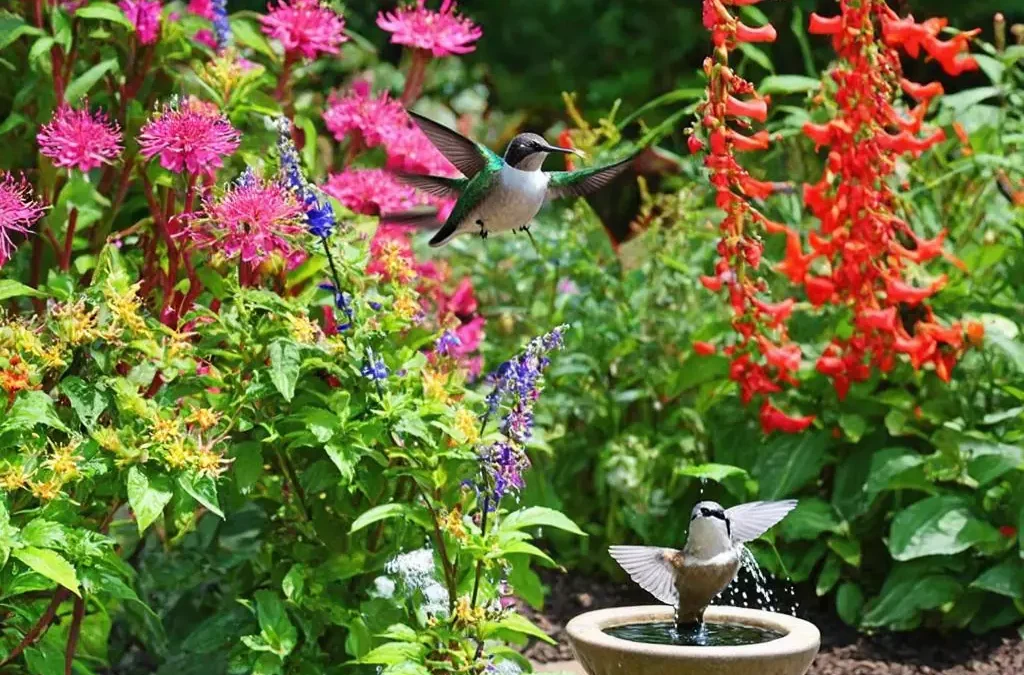
Hummingbirds are not only fascinating creatures with their dazzling colors and agile movements, but they also play a crucial role in pollination. Attracting these small birds to your garden requires understanding their needs and preferences. Hummingbirds are primarily attracted to vibrant, tubular flowers that provide ample nectar. Additionally, these birds need safe spaces for resting and nesting.
Choosing the Right Plants
To create a hummingbird-friendly garden, it’s essential to select the right plants. Native plants are an excellent choice because they are adapted to the local climate and provide the food and shelter hummingbirds require. Focus on choosing plants with tubular flowers such as bee balm, trumpet vine, and salvia. These shapes are perfect for the elongated beaks of hummingbirds and offer them easy access to nectar. Incorporating a variety of species that bloom at different times throughout the year can help ensure a consistent food supply.
The Role of Bird Feeders and Water Features
While natural nectar sources are vital, supplementing with bird feeders can help attract more hummingbirds to your garden. Local gardeners often use a simple homemade nectar solution made by mixing four parts water to one part sugar. Be sure to change the nectar every few days, especially in warm weather, to prevent fermentation. Position the feeders in areas that are visible and safe from predators.
Water sources are equally important. Hummingbirds need water for bathing and drinking, and they are often drawn to gently moving water. Consider adding a small fountain or misting feature in your garden to meet this need. The sound and movement will attract hummingbirds and enhance the ambiance of your outdoor space.
Creating a Safe and Inviting Habitat
Beyond food and water, a hummingbird-friendly garden needs to offer shelter and perching spots. Dense shrubs and trees can provide the necessary cover from predators and harsh weather. Consider planting bushes like azaleas or rhododendrons, or using vine-covered trellises to add vertical interest and additional safety for these little visitors.
Do not overlook the importance of creating perching opportunities. Installing small branches or using natural parts of existing plants can provide hummingbirds with spots to rest between feeding sessions. By arranging these aspects of the garden thoughtfully, you can create an inviting and secure environment for hummingbirds.
Benefits of a Hummingbird-Friendly Garden
Creating a hummingbird-friendly garden does more than just attract these delightful birds; it enhances the overall biodiversity and beauty of your outdoor space. Hummingbirds are important pollinators, contributing to the health of plants and the success of your garden. They also provide endless entertainment with their acrobatics and vibrant appearances.
By following these guidelines, homeowners can transform their gardens into lively sanctuaries that support hummingbirds and other wildlife. The effort to create such a paradise is rewarded not only by the presence of these captivating birds but also by the joy they bring to all who witness them.