
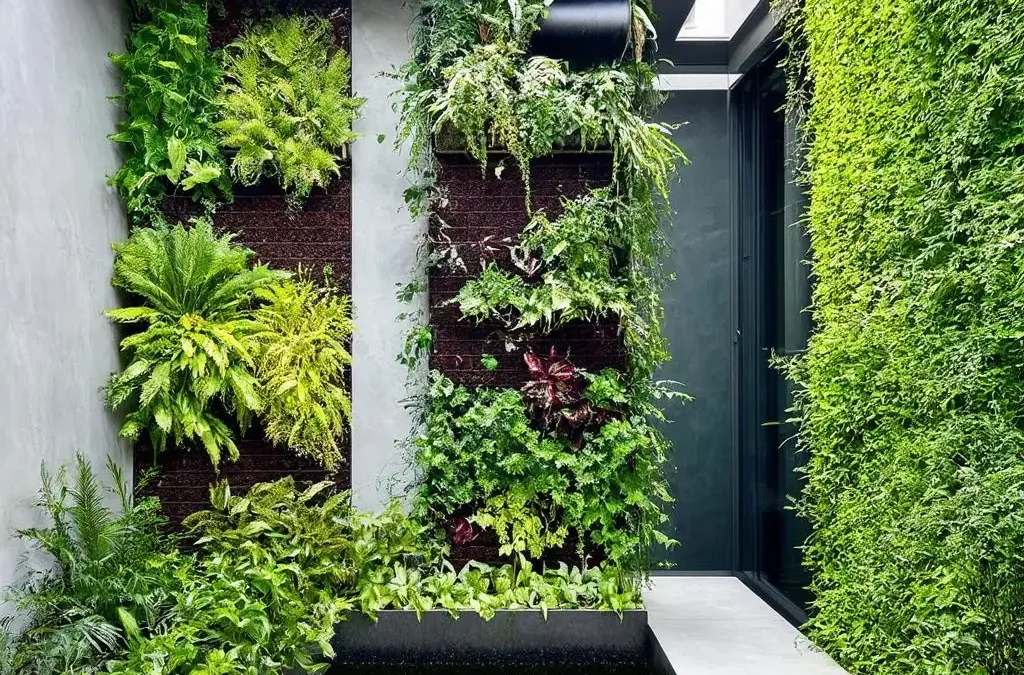
One of the most prominent trends in sustainable gardening is the rise of vertical gardening. When space is at a premium, vertical gardens offer an excellent solution. By utilising walls, fences, and other vertical structures, homeowners can grow a variety of plants, from herbs and vegetables to decorative flowers. Vertical gardening not only maximises space but also enhances the aesthetic appeal of your garden. Trellises, hanging planters, and green walls are popular choices. Additionally, these installations improve air quality and can provide insulation, thereby reducing energy costs.
Implementing Smart Irrigation Systems
Water conservation is a key component of sustainable landscaping, and smart irrigation systems are leading the charge. These innovative systems utilise technology to ensure that your garden receives the optimal amount of water without wastage. Smart controllers linked to weather stations adjust watering schedules based on real-time data, preventing overwatering and ensuring plants receive moisture precisely when needed. Drip irrigation systems are particularly effective, delivering water directly to the roots and reducing evaporation. This not only supports plant health but also significantly reduces water usage.
Opting for Native Plant Integration
Integrating native plants into your garden design is a trend that benefits both the environment and your gardening efforts. Native plants are accustomed to the local climate and soil conditions, which means they require less water, fertiliser, and maintenance. Moreover, they provide critical support for local wildlife, including pollinators such as bees and butterflies. By choosing plants that are naturally adapted to your region, you can create a thriving, low-maintenance garden that contributes to biodiversity and ecosystem health.
Incorporating Edible Gardens
Edible gardens are making a comeback as more homeowners seek to grow their own food. This trend emphasises sustainability by reducing the carbon footprint associated with transporting food from distant locations. Edible gardens can be seamlessly integrated into your landscaping, offering both beauty and practicality. Consider creating a dedicated vegetable patch or interspersing edibles like berries, herbs, and fruit trees throughout your garden. Not only will you have access to fresh, organic produce, but you will also enjoy the added satisfaction of growing your own food.
Utilising Renewable and Recycled Materials
Sustainable landscaping often involves the use of renewable and recycled materials. This approach not only reduces environmental impact but also adds unique character to your garden. Recycled wood, reclaimed stone, and repurposed metal can be used for various structures and features, such as garden furniture, decking, and pathways. These materials provide durability and aesthetic appeal while minimising waste. Renewable resources, such as bamboo, are also popular for fencing and decorative elements, given their fast-growing nature and renewable qualities.
Enhancing Wildlife Habitat
Creating a garden that supports local wildlife is a growing trend among eco-conscious homeowners. By designing your landscape with wildlife in mind, you can provide habitat and resources for birds, insects, and other beneficial creatures. Features such as bird baths, insect hotels, and native plantings create a welcoming environment for wildlife. Additionally, avoiding pesticides and opting for organic gardening practices can help maintain a healthy ecosystem. These efforts not only enhance biodiversity but also contribute to the overall health and balance of your garden.
Installing Smart Lighting Solutions
Smart lighting solutions are transforming garden aesthetics and functionality. Energy-efficient LED lights, combined with smart controls, allow homeowners to customise lighting schemes that enhance their garden’s beauty while conserving energy. Motion sensors and timers ensure that lights are used only when needed, reducing unnecessary energy consumption. Solar-powered lights are another excellent option, harnessing renewable energy to illuminate your outdoor space. Whether for security or ambience, smart lighting systems add value to your garden while being mindful of resource use.
Promoting Water Features with Eco-Friendly Solutions
Water features like ponds, fountains, and rain gardens can add tranquillity and elegance to your garden. However, it’s important to incorporate eco-friendly solutions to ensure sustainability. Rainwater harvesting systems can be used to collect and recycle water for use in fountains and ponds. Solar-powered pumps provide an energy-efficient way to circulate water. Additionally, rain gardens, which are designed to capture and filter stormwater, help to reduce runoff and support water quality. These features not only beautify your garden but also contribute to water conservation and management.
Creating Multipurpose Outdoor Spaces
Another trend in sustainable landscaping is the creation of multipurpose outdoor spaces. Homeowners are increasingly looking to maximise the usability of their gardens by designing areas that serve multiple functions. Combining seating areas with vegetable plots, play zones, and relaxation spaces allows for a versatile and efficient use of land. By thoughtfully planning your garden layout, you can create a cohesive space that meets various needs while enhancing outdoor living. This approach not only supports sustainability but also increases the enjoyment and functionality of your garden.
Employing Climate-Resilient Landscaping
Finally, climate-resilient landscaping is becoming essential as weather patterns become more unpredictable. This trend focuses on designing gardens that can withstand extreme weather conditions, such as droughts, heavy rainfall, and temperature fluctuations. Drought-tolerant plants, permeable paving, and effective drainage systems are key components of climate-resilient gardens. By selecting appropriate plants and materials, you can ensure that your garden remains beautiful and functional despite changing climate conditions. This proactive approach helps conserve resources and ensures the longevity of your outdoor space.
In conclusion, these top 10 sustainable and smart landscaping trends offer innovative solutions that enhance the beauty and functionality of your garden while supporting environmental sustainability. By embracing these trends, you can create a garden that not only meets your aesthetic and practical needs but also contributes to the health and well-being of the local ecosystem. Whether you’re considering a complete garden renovation or looking to incorporate new elements, these trends provide a road map for eco-friendly and smart landscaping practices.