
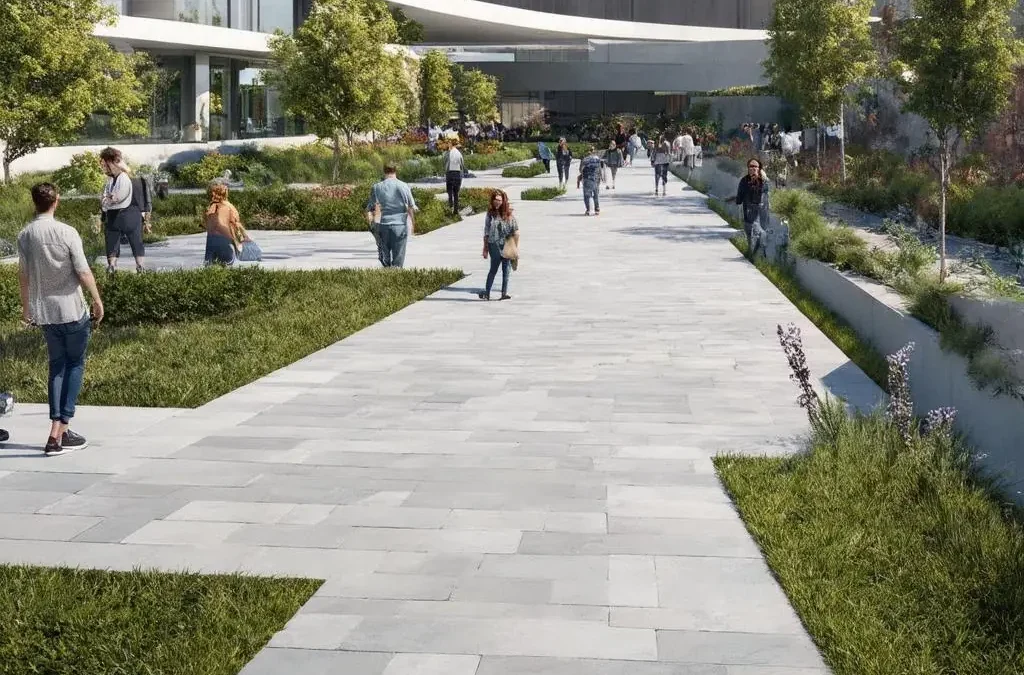
The block paving market is expected to witness significant expansion between 2024 and 2031, driven by multiple factors influencing both demand and supply. Technological advances in materials and installation techniques are at the forefront of this growth. Innovations such as permeable pavers, which allow for effective water drainage and reduced flooding risk, are becoming increasingly popular among environmentally conscious consumers. Additionally, advancements in design and manufacturing processes are resulting in more durable and aesthetically pleasing options, catering to the evolving preferences of homeowners and developers.
Shifting consumer preferences toward sustainable and low-maintenance solutions are also shaping the market. Homeowners are increasingly opting for materials that reduce their carbon footprint while enhancing the visual appeal of their outdoor spaces. This trend is expected to fuel demand for block paving products that offer both functionality and durability.
2. Challenges: Supply Chain Disruptions and Regulatory Changes
As promising as the market outlook is, there are challenges that need to be addressed. One of the critical obstacles facing the block paving industry is the potential for supply chain disruptions. Factors such as raw material shortages and logistical bottlenecks could lead to increased material costs and project delays. Businesses must implement robust supply chain management strategies to mitigate these risks, such as diversifying sources and maintaining adequate inventory levels.
Regulatory changes may also pose challenges, especially in regions where environmental policies are becoming more stringent. Compliance with new regulations can require significant adjustments in manufacturing processes and material sourcing. Industry professionals must remain informed about evolving standards and proactively adapt their operations to meet these requirements, ensuring continued market viability and competitiveness.
3. Emerging Opportunities and High-Growth Regions
Despite these challenges, the block paving market presents numerous opportunities for growth, particularly in high-growth regions. Areas experiencing rapid urbanization and infrastructure development are prime markets for block paving solutions. For instance, regions in Asia-Pacific and certain parts of Europe are expected to see substantial investment in residential and commercial construction, creating heightened demand for quality paving materials.
Emerging trends such as smart cities and sustainable urban development are also poised to drive market expansion. As cities adopt greener and more resilient infrastructure models, the demand for innovative block paving solutions that align with these initiatives will likely increase.
4. Strategies for Stakeholders
For stakeholders in the block paving industry, understanding these trends and challenges is crucial. Homeowners should seek out reputable providers like Stonecraft, who are committed to quality and reliability. Industry professionals, on the other hand, should focus on innovation and sustainability, ensuring they offer competitive and environmentally friendly products.
Investing in research and development to stay ahead of technological advancements and consumer preferences can provide a competitive edge. Moreover, forming strategic partnerships and collaborations can enhance supply chain resilience and broaden market reach.
In conclusion, the future of the block paving market is bright, with opportunities abound for those who navigate it wisely. By staying informed and adaptable, both homeowners and industry professionals can capitalize on the growth and innovation within this dynamic sector.